
BLOG 4
For our group’s resource on the psychology of social media and digital habits, I chose a clip from the Huberman Lab podcast called “How Social Media Is Rewiring Your Brain” with Dr. John Kruse. It focuses on how mindless scrolling trains our brains to overreact to distractions, basically giving us ADHD-like symptoms. The most shocking part is when Dr. Kruse explains that real ADHD actually cuts ten years off someone’s life expectancy due to impulsivity and accidents, showing that constant distraction isn’t just an annoying habit, it has massive real-world consequences.
Dealing with Passive Watching
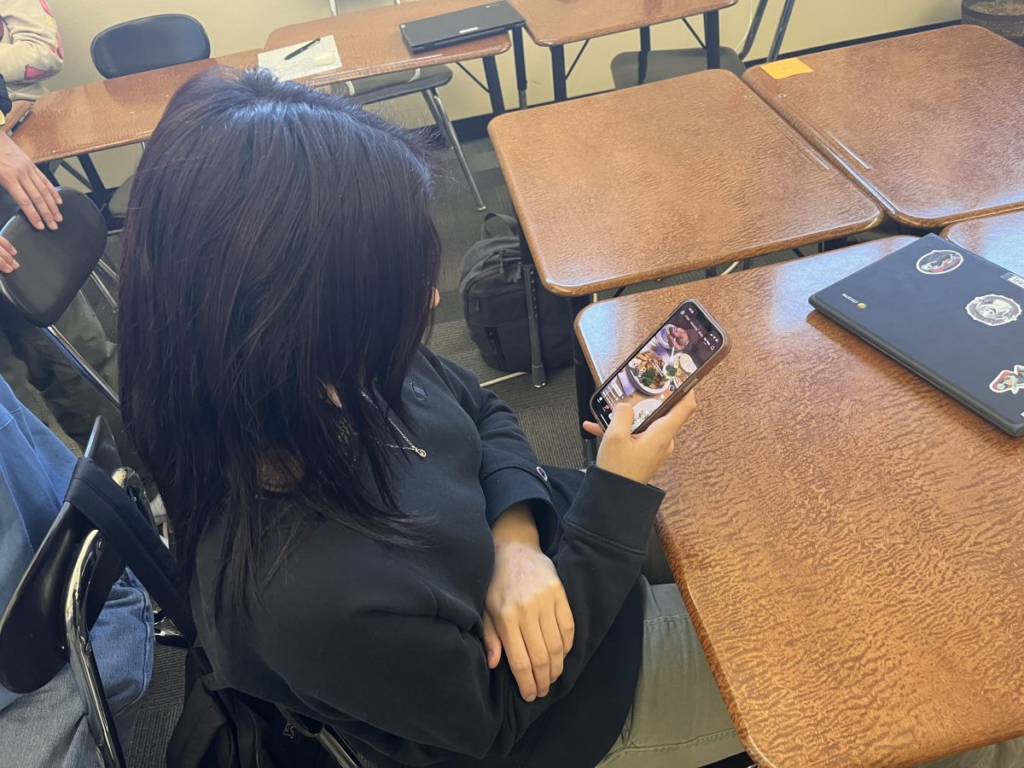
Since it is just a regular YouTube clip, there is no built-in interaction that forces you to stop and answer questions to keep watching. Someone could easily play it in the background while doing something else and totally zone out. But because the video mentions super relatable things, like checking your phone fifteen times while waiting at a bus stop, I think most students will naturally start tracking their own behaviors in their heads and reflecting on how short their attention spans have actually become lately.
The Screen Time Experiment
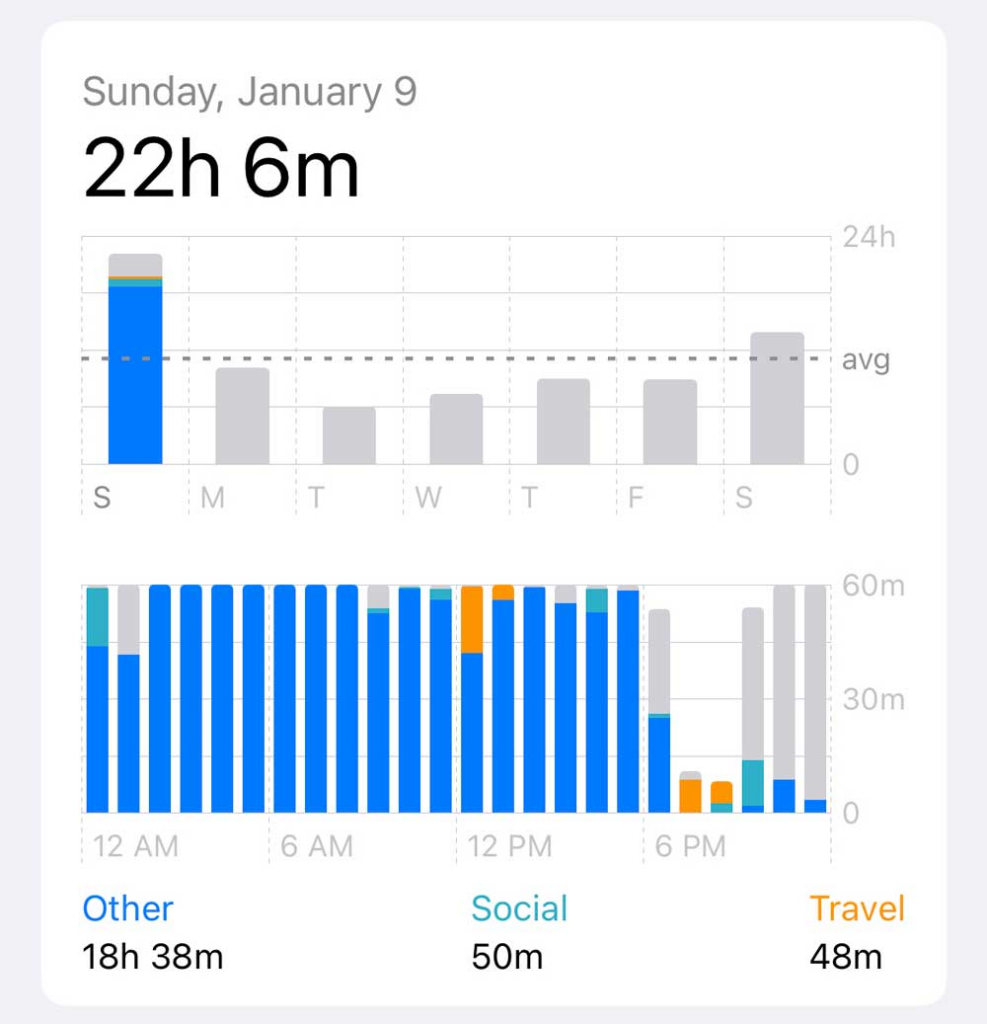
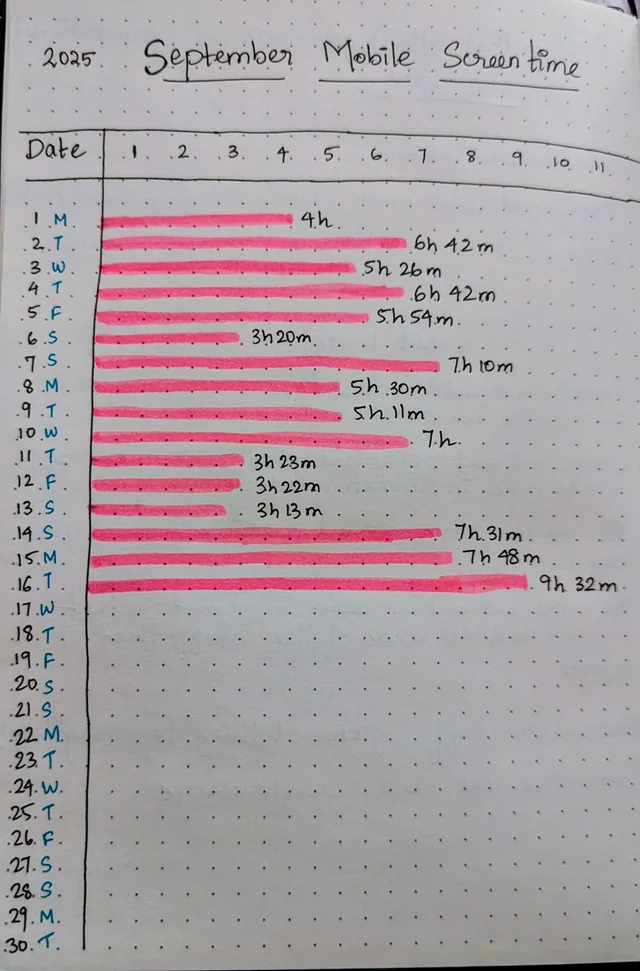
To turn this into a real activity, I would have students track their own phone use for a few hours right after watching. They would log every single time they instinctively switch apps or pick up their phone out of boredom, and then write a quick post about it on their course blog. This gets them practicing real digital literacy and self-regulation by looking at their own live data instead of just reading about brain chemistry in a textbook.
Keeping Feedback Easy
For feedback, I would set up a simple peer-review system where students read two classmates’ logs and leave a quick comment comparing their habits. For me as the instructor, this keeps the workload super light. Instead of grading a hundred individual logs, I can just read through a few, spot the biggest trends like everyone opening TikTok without thinking and talk about it in a quick weekly announcement post. It scales perfectly even if the class is huge.
Fixing Design Barriers
To make sure this works for everyone, I would include a full transcript and a bulleted text summary for students who have a hard time focusing on video or audio. I also know that tracking screen time can make people feel guilty or anxious, so I would explicitly tell the class that this is just a neutral observation experiment, not a test to see who has the best digital discipline. Finally, if someone doesn’t have a smartphone or prefers not to share their data, they could easily choose to observe a family member’s habits or analyze a fictional case study instead.